Applying the Koshas in Everyday Life
Acceptance of self is the cure.
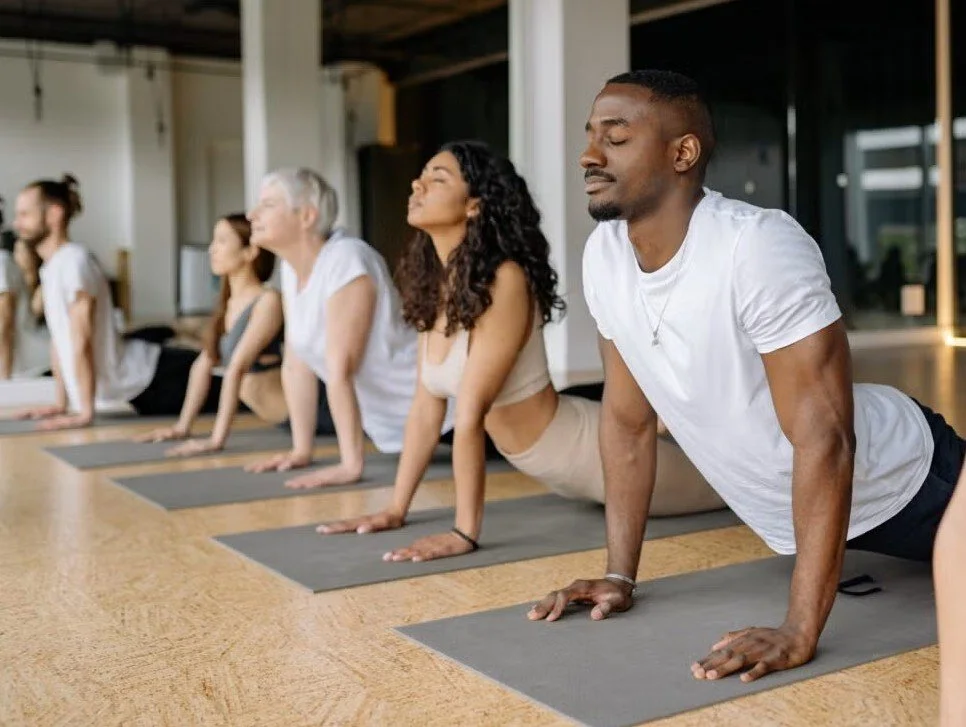
What brings someone to a yoga practice? More than likely, each student is experiencing some level of pain in their life. It may be physical pain from injuries or chronic conditions, mental and emotional pain from disappointments or traumatic experiences, and/or spiritual pain from being dis-connected from the source of one’s life.
Since yoga is more than a simply physical movement practice, it is important to understand the subtle depths that a yoga practice or journey can take us on, and assist our students in expanding their yoga into a holistic way of life. A holistic yoga practice supports students with a deeper understanding of themselves and may guide them to understanding the root causes of their pain. Pain management is a band aid. Acceptance of self is the cure.
Panca Maya Kosha
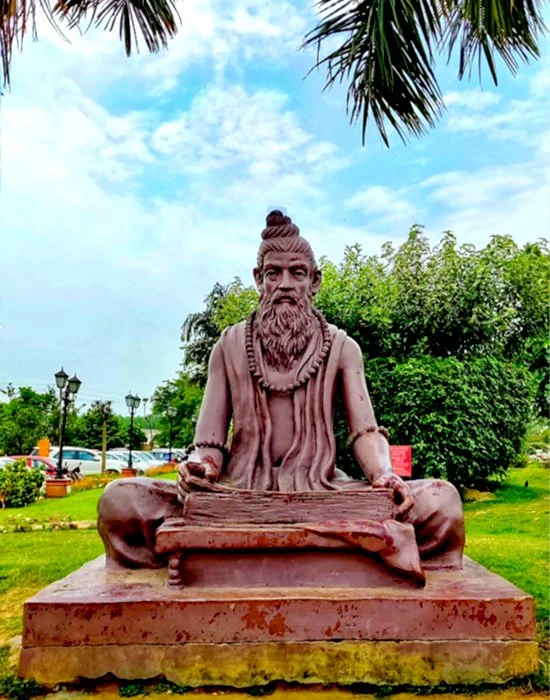
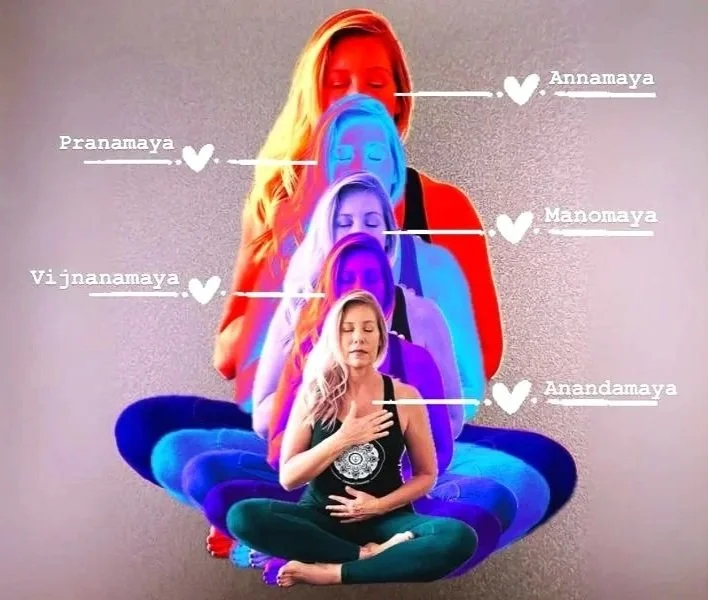
According to the yoga tradition of Patanjali, every one of us has five bodies, each made of increasingly finer grades of energy. These five bodies are known as Panca Maya Kosha. The koshas or “sheaths”- and in Sanskrit “kosha” translates as the “sheath covering for a saber/sword.” These five sheaths are layered upon themselves and are thus somewhat inter-connected.
Imagine “peeling back an onion” or artichoke in order to get to the heart of the center.
Our outer-most sheath or layer is Anamaya Kosha which translates as the Food Body sheath. Anamaya Kosha represents the physical body and our Hatha yoga practice - as well as our diet - supports the mastery of this sheath.
Pranamaya Kosha is the layer that lies below the Anamaya Kosha and is known as our living energy sheath. Prana is our life-force or breath and it is the breath that brings us inspiration and energy in our Hatha yoga practice, and in our meditation practice. Prana is the link or the door to our deeper understanding of yoga and ourselves.
Manomaya Kosha represents our mind. It is our thinking being that utilizes our five senses to activate the power of the sixth sense. Manomaya Kosha is cultivated by meditation practice and living the yogic principles of the yamas and niyamas.
Vijanamaya Kosha is the sheath of our hearts. Vijanamaya affords us the ability of discernment. As our manomaya mind studies the yamas and niyamas, our Vijana maya heart grows to discriminate right and wrong actions with compassion and love. Vijanamaya is cultivated by practicing Karma Yoga, or service to others.
Our fifth an innermost sheath covers the guiding light of our soul: Anandamaya Kosha. Ananda is bliss -- the divine consciousness of SELF that we are all striving to know, live and understand. Anandamaya Kosha is cultivated through a devotional practice (chanting, prayer, etc.). Awakening Anandamaya Kosha brings divine light through all the other outer most layers. Then we, as yoga practitioners, can be that divine light of guidance for the rest of the world.
The Taittiriya Upanishad is the yogic scripture that describes the Koshas. It reads:
“Human beings consist of a material body built from the food they eat. Those who care for this body are nourished by the universe itself.
Inside this is another body made of life energy. It fills the physical body and takes its shape. Those who treat this vital force as divine experience excellent health and longevity because this energy is the source of physical life.
Within the vital force is yet another body, this one made of thought energy. It fills the two denser bodies and has the same shape. Those who understand and control the mental body are no longer afflicted by fear.
Deeper still lies another body comprised of intellect. It permeates the three denser bodies and assumes the same form. Those who establish their awareness here free themselves from unhealthy thoughts and actions and develop the self-control necessary to achieve their goals.
Hidden inside it is yet a subtler body, composed of pure joy. It pervades the other bodies and shares the same shape. It is experienced as happiness, delight, and bliss.”

Charlene Muhammad, E-RYT500, C-IAYT
Charlene Marie Muhammad, a wellness practitioner, practicing yoga for over 30 years is a E-RYT500 yoga teacher. Since 2006, Charlene teaches weekly yoga classes for communities of color and facilitates YTT 200- and 300-hour core requirements workshops for YTT schools around the United States.
Charlene holds a Master of Science Degree in Herbal Medicine from Maryland University of Integrative Health (MUIH) and is a licensed dietitian and certified yoga therapist. She is a member of the Black Yoga Teachers Alliance (BYTA) Board of Directors, served as chair for the Diversity, Equity, and Inclusion Task Force for the International Association of Yoga Therapists (IAYT), and provides mentorship for the Yoga for Arthritis teacher certification program and the Certified Nutrition Specialist certification program.